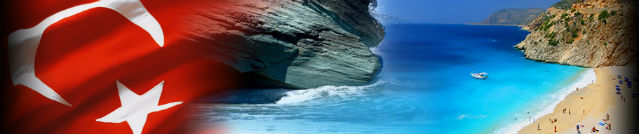
We have general information about Turkey holidays in this site. We provide Turkey travel guides about Istanbul, Fethiye, Marmaris, Kusadasi, Didim, Antalya, Cappadocia and Pamukkale. We believe you will have enough information if you are planning cheap holidays to Turkey.
I am sharing my personal experiences about locations within Turkey. You can just check our recent posts and find our my thoughts and photos of certain places in Turkey…
Also you can book hotel in Istanbul or wherever you want to book in Turkey. There are pictures and maps about top places to visit in Turkey. You can find some important, key information about Turkey Holidays below.
You will also find interesting information like, movies shot in Turkey, visiting a hamam in Turkey or Shopping in Istanbul
If you think you have stayed too long in Turkey, please check this list. It is funny but also real…
Hospitality, sun, sand, beaches surrounded by wide history during travelling to Turkey. Turkey is a rapidly modernising country with one foot at Asia and the other at Europe. Turkey is the only country in the world where two continents meet in a city (Istanbul). It’s position is unique that has history from both East and West. It is a country where European aspirations sit comfortably alongside Asian traditions and the volatile atmosphere of the Middle East morphs seamlessly into the relaxed outlook of the Mediterranean world. It’s not all about oriental, mystery, intrigue and whirling dervishes but it is a spicy of history knocking up against a rapid present. The Turkish people have a reputation of hospitality which you can not find in any other country, the delicious cuisine is to die for, the coastline is more than a dream, and many Turkish cities are surrounded with spectacular mosques and castles. And while costs are rising, Turkey holidays are still one of the Mediterranean’s cheap destinations. These are brief information about Turkey!
Turkey Holidays
Book Your Flight to Turkey for your cheap holidays to Turkey
Where to visit in Turkey ?
Istanbul , Fethiye , Marmaris , Didim, Kusadasi, Cappadocia or Pamukkale are the top destinations in Turkey. Click for the places to visit in Turkey according to the top destinations for your Turkey hollidays.
[table "1" not found /]
When we talk about Turkey, it is split into 7 regions. Each has its own distinct climate, views, landscape and custom traditions. The first four are named according to their neighbouring seas (the Marmara, the Aegean, the Black Sea, and the Mediterranean Regions). The other three are named with their relation to their location through whole of Anatolia (Central, Eastern and South East Anatolia Regions).
As a country, Turkey is divided by the two continents (Europe and Asia) and have about 8,000 km of coastline. Whether there are many options for a visitor to have an idea of art, archeology, history, nature or if your idea is relaxing on the beach or sailing holiday, there really are many options for anybody when visiting Turkey.
When you visit Turkey, you should give a try to have not onlywestern Turkey holidays but also Turkey holidays which include eastern parts of the country as it is full of history and interesting places. Your holidays to Turkey may include also alternative tourist attractions.
You have to see the great Istanbul view on your Turkey holidays: Blue mosque and Hagia Sophia. You should walk through the ruins at Ephesus. Take a Marmaris yatch cruise, walk over cottons at Pamukkale… Options are unlimited on your holidays to Turkey.
So, if you are planning a travel to Turkey, Istanbul , Fethiye , Marmaris , Didim, Kusadasi, Cappadocia and Pamukkale will be on the list. Before you plan your Turkey holidays, please take a look at the pictures and maps form from the navigation above.

When to visit in Turkey ?
The best times to have Turkey holidays is spring and autumn. That’s because the climate will be perfect for Istanbul, Aegean or the Mediterranean coasts on your holidays to Turkey. It will be rather cool for central Anatolia, but it’s not so unpleasant. If you have any obsession about mosquitoes, you can visit before mid of June or after August. April and September are the best times for visiting the Black Sea coast for your holidays to Turkey. You will face rain but not so much of it. When we talk about Turkey holidays in winter, it doesn’t really have a winter tourism season, with the exception of Istanbul. Anzac Day can be called the official start of the holiday to Turkey rush. July to September, is the Peak season. It is the time when most Turkish people take their holidays. June to September is the best time to visit eastern Turkey. Try not to plan a visit to the eastern part of Turkey before May-after mid October or prepared for snow 🙂 Try to avoid Turkey Holidays during Bayrams (religious holidays) which are Turkey’s most popular public holidays. Otherwise, your holiday to Turkey will be very crowded as many local people are taking their holidays to Turkey’s different locations..
Weather in Turkey on your Turkey holidays?
When you have Turkey holidays, you want the weather in Turkey to be best during your travel to Turkey. What about weather in Turkey? The Mediterranean and Aegean coasts of Turkey have mild, rainy winters and hot, dry summers. This is for Fethiye, Marmaris, Didim, Kusadasi. In Istanbul, summer temperatures average around 28-30C (82-86F); the winters are chilly but usually it is above freezing degree, with some rain and perhaps a dusting of snow. Inner part of Anatolia ( Cappadocia, Pamukkale) is hotter during summer and very cold at winter. The Black Sea coast is mild and rainy during summer, and also it is chilly, rainy at winter. Weather in Eastern Turkey is full of mountains. It is very cold and snowy during winter and it is only pleasantly warm at high summer. Winters are dry and mild, summers are very hot at the southeast of Turkey. It is above 45C (113F) at summertime.
Money/Cost – Cheap holidays to Turkey
 I am sure you want to have cheap holidays to Turkey. First, if you are not familiar with, please take a look at the Turkish Lira. The Turkish Lira (TL) consists of banknotes : 5, 10, 20, 50, 100 and 200. The Kurus. (Kr) consists of coins of 1, 5, 10, 25, 50. One Turkish Lira is one hundred Kurus. 1 TL = 100 Kr.
Please click on the picture for TL samples :
You can have only a credit or debit card while travelling to Turkey like big cities like Istanbul , Ankara, or highly populated Marmaris, Fethiye, etc with nothing else. As a reminder, just remember to draw out money when visiting the towns or small villages to keep some cash at your pocket. So that it can be a reserve for the inevitable day.
On your holidays to Turkey, it’s very easy to change major currencies at the exchange offices, many post offices (PTTs), shops and hotels during your travel to Turkey. However, most of the banks may make heavier rates of it. Cashing at post offices at tourist areas looks the best option. Because the exchange rate is more or less slightly lower. Foreign currencies can be accepted at some of the shops, hotels and restaurants. If you run out of money, just go to the nearest ATM and withdraw from your home account. And many of the banks countrywide can do Western Union or Moneygram transfers.
As a tip, after dining at cheaper restaurants, just leave a few coins. Tip more when you are at more expensive restaurants.Sometimes you see that 10-15% service charge is added to the bill, people will expect to have about 5% to the waiter. Porters expect one dollar or more. Round up the bill in taxis. Beware longer trips expecially in Istanbul ! Sometimes a tip may be initially refused for politeness. In that case you should offer the money one more time and a third time. You can assume that after three refusals, hey really do not want the money. Masseuse or the masseurs should be tipped about 10% to 20% of the price at hamams. those tips will help you to have cheap holidays to Turkey.
How to travel to Turkey?
Click to book flights to Turkey for your cheap holidays to Turkey
 You can get into and out of Turkey mostly by air or sea and also rail and bus. On your Turkey Holidays, you can chose a trip to the international airports at Istanbul, Ankara, Antalya, Izmir. Turkish Airlines has direct flights fromIstanbul to many cities around the world for your holidays to Turkey. Tax for departure is about US$12.00 but is normally included with the price of the ticket. The daily Bosfor Ekspresi connects Bucharest to Istanbul by train via Sofia. You can also find a bus from major European cities to Istanbul. Dostluk Ekspresi connects Istanbul to Thessaloniki and it can be a popular option from Greece. It is also possible to travel by train and bus to Syria, Iran. And also by bus to Georgia, Armenia and Azerbaijan. Ferries from Cesme to Ancona and Brindisi are available. You can expnad your turkey holidays by travelling to Greece with some private ferries which are also available between the Greek islands and Turkey’s Aegean coast. So you are not limited about options during your holidays to Turkey.
It is very easy and safe to have Turkey Holidays’ flight by Turkish Airlines. It connects all of the major cities to Istanbul. Buses go almost everywhere around Turkey very frequently, cheaply and somehow usually comfortably. Trains may not the best option with long-distance compared to buses for speed, but you can sleep ina bed on the trains linking Istanbul, Izmir and Ankara. High speed train is available at Ankara to Konya and Ankara to Eskisehir only. If you’re driving around the country on your Turkey holidays, you can find mechanical services very easily and relatively cheap. Driving in big cities should be avoided because traffic is terrible and complex comapred to most of the western European cities. Alsoparking is very difficult especially in Istanbul. Dolmuses (shared taxis) are a very good option for short trips. On your Turkey holidays, When driving from Istanbul to the south of Turkey ( Fethiye, Marmaris, Didim, Kusadasi, Cappadocia and Pamukkale)., take the ferry from Yenikapı to Bandırma or Pendik to Yalova .
Some key facts for your Turkey holidays:
| Population | 70.586.256 |
|---|---|
| Capital | Ankara |
| Religion | Muslim, mostly Sunni, small Christian minority. Turkey is a secular state which guarantees complete freedom of worship to non-Muslims. |
| Currency | Turkish Lira, TRY, YTL |
| Electrical Plugs | 220V 50Hz |
| Languages Spoken | Turkish |
| Time Zones | GMT/UTC +2 |
| CountryDialing Code | +90 |
| Weights/Measures | Metric |
Popular places to visit on your Turkey holidays : Istanbul, Fethiye , Pamukkale, Marmaris, Cappadocia, Didim and Kusadasi.
Social Conventions tips for your Turkey Holidays:
Ok, you chose your place at your Turkey holiday and you have traveled to Turkey but do not forget these small tips :
Shaking hands is a normal greeting all around Turkey. Hospitality is widely seen . Visitors should respect Islamic customs. Informal wear is no problem, but beachwear should be worn at the beaches or the pool. Smoking is acceptable at open areas but it is prohibited at closed areas like restaurants, cinemas, theaters or at transportation vechiles like buses, coaches and dolmuses (collective taxis).
Sometimes gestures for `yes` and `no` can be confusing: `yes` is achieved by raising the head up, while`no` is achieved with a gesture of lifting your eyebrows and making a sound by clicking your tongue at the same time.
If you do not want to call a person homosexual at a bad manner on your holidays to Turkey, do not put your the index finger and thumb together in a circle. It does not mean `OK` in Turkey . Actually you are insulting to them.
Turkish people stare at people more than the westerner people used to. If a Turk simply finds you interesting, he will stare at you. This does not mean that he will attack you or something, relax.
It is one of the most vulgar gestures of placing the thumb under the index and middle fingers in Turkey. Avoid it during your holidays to Turkey or be prepared for an argue.
The most important thing to be known is the Turkish word for beer `bira` especially for football fans. Efes and Tuborg brands are widely available for you during your holidays to Turkey.